Travel with Grace: Understanding Hurricane Season & Resort Realities
"Luxury is not just the resort you stay in…… It is how gracefully you handle disruption."
Travel during hurricane season can be beautiful, affordable, and meaningful, but it also calls for a different kind of traveler. One who is informed. One who is flexible. One who understands that when nature shifts, so does the meaning of hospitality.
This is not just a guide on planning. It is a guide on travel etiquette. It is a reminder that the destinations we visit are not simply backdrops for our memories. They are homes, communities, and economies built on hospitality, resilience, and vulnerability.
Hurricane season does not automatically mean do not travel. It means travel thoughtfully. Travel respectfully. Travel with grace.
In this guide, we explore what every traveler should know about hurricane season, resort expectations, cultural awareness, and how to move with understanding when plans shift. From storm-related meal changes to travel insurance, from destination realities to mindful expectations, this is the kind of knowledge that turns travelers into respectful guests.
Because travel is not only about where you go, It is about how you arrive.
Hurricane Season and Travel Etiquette
Hurricane season runs from June 1 through November 30 and while travel during this time is still possible, it requires realistic expectations, flexibility, and respect. Traveling gracefully means understanding that weather will always come before vacation plans and that both safety and cultural awareness should guide behavior. This is a guide for traveling smart, respectfully, and responsibly during storm season.
Respect the Weather
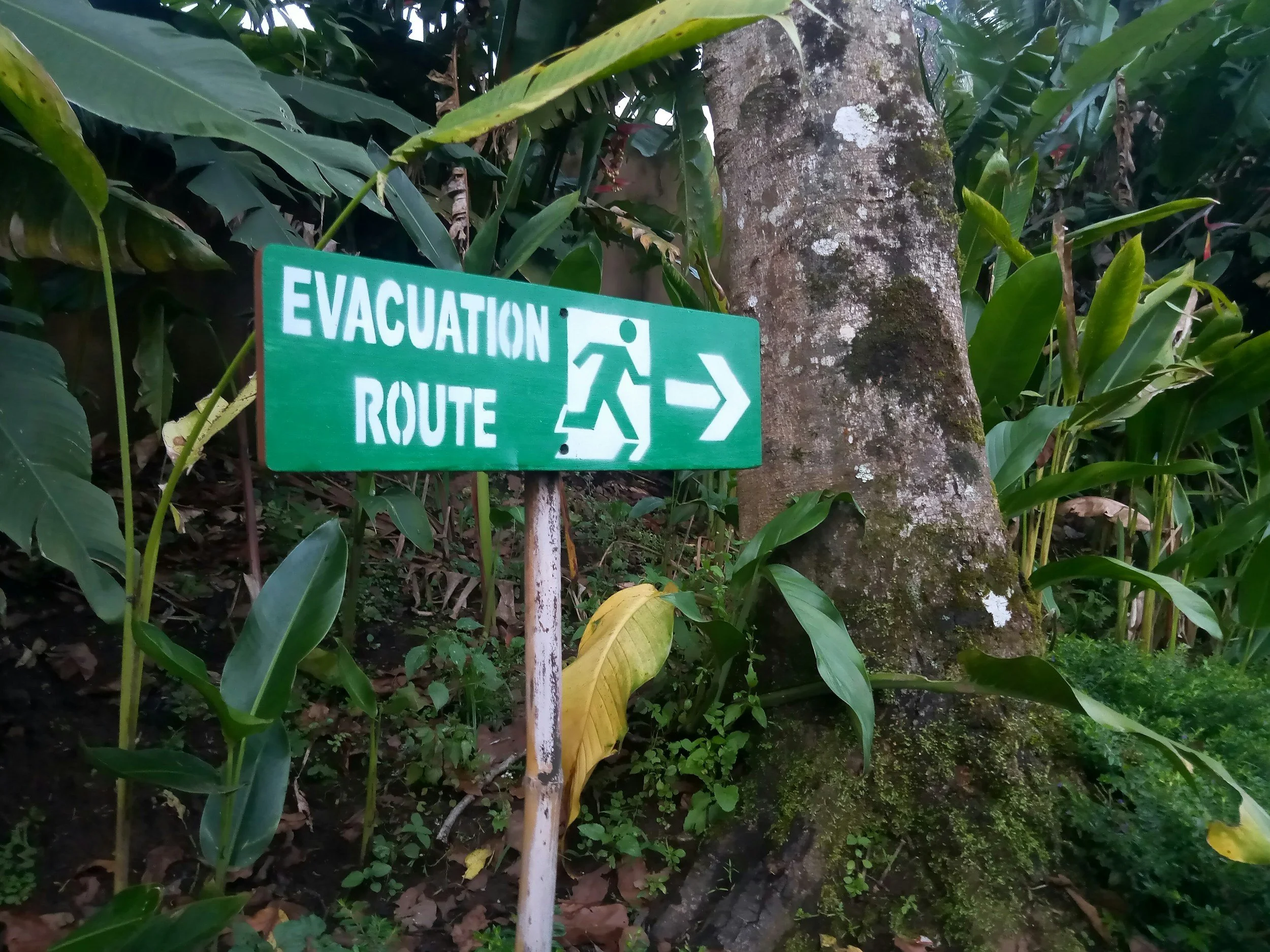
When a hurricane or serious storm approaches, resorts, airlines, cruises, and local authorities will shift immediately into safety response. That may mean mandatory evacuations, changes to flight schedules, and reduced services. Those decisions are for protection, not personal inconvenience. Showing patience and kindness demonstrates travel maturity and personal respect.
Purchase Travel Insurance
During hurricane season, travel insurance is a necessity, not an optional add-on. Look for plans that include weather disruption, trip cancellation due to natural events, emergency lodging, flight delay coverage, and medical support. The traveler who declined insurance should not expect full compensation when plans change due to weather.
Be Flexible
Storms can alter itineraries, flight paths, excursions, and even the destination itself. Being flexible means being open to alternative travel dates, nearby airports, changes to room types, or even switching islands if necessary. Graceful travelers adapt.
Respect Local Workers and Communities
Staff members at resorts and hotels live in the place you are visiting. When storms arrive, they are not just protecting the resort. They are protecting their families, homes, and communities. They may still be serving guests while worrying about their children or property. A calm and considerate guest is a respected guest.
Understand That Food Service Changes During a Hurricane Are Not Poor Service
If you are staying at a resort during a hurricane or major storm, expect food service to change. All inclusive access may be reduced and gourmet meals may be replaced with practical options such as boxed sandwiches or meal bags. Kitchens may be partially closed for safety reasons. Deliveries could be disrupted. Cooking gas, power, and water may be limited.
This is not a downgrade in service. This is emergency hospitality. It is the resort’s responsibility to keep guests fed and safe, not to maintain buffet displays or pool bars during an emergency.
Showing gratitude rather than entitlement is a sign of good travel etiquette.
These Islands Are Not Theme Parks
Many of the Caribbean islands and coastal destinations rely heavily on tourism. In some locations, more than seventy to ninety percent of local jobs are connected to hospitality and tourism. A hurricane does not just interrupt vacations. It disrupts schools, livelihoods, homes, and infrastructure. The respectful traveler understands this and chooses appreciation over complaint.
Refund, Credit, or Reschedule
Each airline and resort has different policies regarding hurricanes. Some may issue travel credits rather than refunds. Some cruise lines may reroute to alternate ports. These are safety decisions based on contracts and government guidelines. Take notes, ask questions calmly, and move forward with grace.
Involve Your Travel Advisor
Travel advisors are especially valuable during hurricane season. If you booked through one, do not attempt to fix everything alone. Your advisor can help manage airline negotiations, resort policies, alternate travel dates, and insurance claims.
Pack With Hurricane Awareness
Travelers should pack smart, including important medications, charging equipment, waterproof phone protection, light rain gear, travel documents, healthy snacks, power banks, and emergency contacts. Prepared travelers move smoother and avoid stress when plans shift.
When Safety Takes Priority Over Aesthetics
Taking photos or videos of large storm waves may seem exciting, but safety is always more important than content. Use your voice and platform to educate, not to sensationalize conditions or complain publicly during emergency operations.